Moats in the Age of AI

Helmer's 7 Powers are the classic framework for business moats. This is my working map of what still holds, what AI strengthens or weakens, and what the new rules look like—starting with speed.

Power zero · Speed

Moats are defensive—you need something worth defending first
A moat is inherently a defensive thing and you have to have something to defend... if you got nothing to defend, don't worry about your moat. — Lightcone podcast

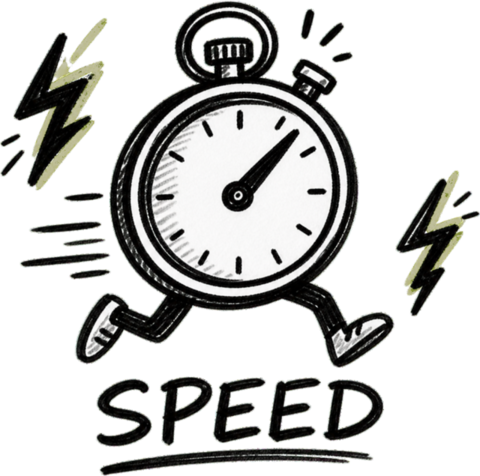
Before any of the seven powers matter, the only moat an early startup has is speed. Find someone with an existential problem—the kind where they might get fired if it stays unsolved—and fix it fast. Cursor ran one-day sprint cycles while bigger companies needed spec docs. The powers below come later, once there is treasure to defend.

The power map

Helmer’s seven powers, rebooted for AI. Pick one to see what holds and what changed.

Power 01 · Process Power Strengthened by AI

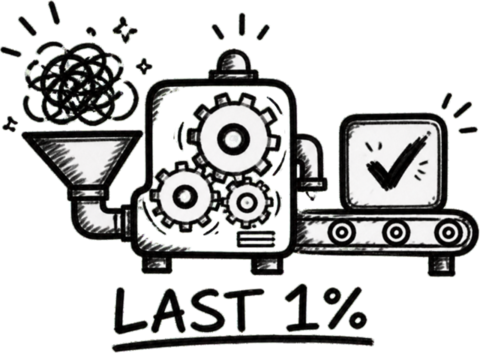
The demo is a weekend; the last 1% is years.

AI makes the demo nearly free, so the production system becomes relatively more valuable.

The classic power

A complex, embedded way of operating that competitors cannot copy even when they can see it. Helmer's example is the Toyota production system.

In the AI age

Anyone can build a ChatGPT-wrapper demo in a hackathon. The power is getting to 99% reliability on mission-critical work—KYC, loan origination, compliance—through years of unglamorous edge-case engineering that most teams, including the big labs, do not want to do.

Seen in: CasetextGreenlight (KYC)Casca (lending)Plaid

Ask yourself

  • Where does my product need to be boring and perfect? What separates my demo from a production system?
  • What edge cases would take a competitor two or more years to discover and fix?
  • Am I willing to do the unglamorous work of getting from 80% to 99%?

Sources

Where this map comes from.